
by Mark Preston | May 1, 2024 | Golf Equipment & Products - Reviews, Articles & Guides
TaylorMade TP5 golf balls have garnered significant attention in the golf community, reputed for their advanced technology and exceptional performance.
In this article, we delve deep into the features of the TaylorMade TP5, analyze performance test results, and share real golfer testimonials to determine if these balls truly live up to their hype.
Reviewing TaylorMade TP5 Features
The TaylorMade TP5 is distinguished by its innovative five-layer construction, designed to enhance spin control and increase distance.
Let’s break down its key features:
Five-Layer Construction
The core of the TaylorMade TP5’s success lies in its unique five-layer design.
This structure allows for each layer to perform a specific function, combining to deliver enhanced speed without sacrificing spin.
It starts with a very soft core and progressively becomes firmer towards the outer layers, providing a blend of distance and feel that is hard to match.
Tri-Fast Core
The Tri-Fast Core comprises three layers and features a low compression core that increases launch angle and reduces drag.
This core is key for achieving maximum carry distance and maintaining energy as it transitions through the golf ball layers during flight.
Dual-Spin Cover
The contrast between the ultra-soft cast urethane cover and a rigid inner cover is what allows the TP5 to provide exceptional spin performance on greenside shots.
The softer outer cover ensures a responsive feel for short-game shots, while the firmer inner cover works to maintain high ball speed on drives.
TaylorMade TP5 Performance Test Results
To objectively assess whether TaylorMade TP5 golf balls live up to their reputation, various performance tests have been conducted:
Distance and Trajectory
In controlled testing environments, the TP5 consistently shows an impressive distance performance, often outperforming competitors.
Its ability to maintain a high trajectory for longer periods helps to achieve greater carry distances, making it an excellent choice for golfers looking to extend their reach.
Spin and Control
Where the TP5 really shines is in its greenside performance.
The ball’s dual-spin technology allows golfers to execute shots with high levels of control and spin, making it easier to tackle challenging pin placements and undulating greens.
Durability
Durability tests reveal that the TP5 is built to last.
Despite its soft cover, which might typically suggest a susceptibility to cuts and scuffs, the ball stands up remarkably well to repeated use, maintaining its performance characteristics over multiple rounds.
Golfer Comments
Real-world feedback from golfers who have switched to TaylorMade TP5 often highlights the noticeable difference in their game:
Amateur Golfers
Amateur players frequently note improvements in their distance and feel.
One golfer mentioned, “Switching to the TP5 has added yards to my drives and refined my short game. It feels like playing a tour-level ball that truly responds to my club.”
Professional Endorsements
Several professional golfers have publicly endorsed the TP5, attributing part of their success in tournaments to the ball’s consistent performance and advanced technology.
These endorsements further solidify the ball’s reputation in competitive circles.
Casual Players
Even casual golfers appreciate the TP5 for its all-around performance and durability.
As one player put it, “It’s not just about fewer strokes; it’s also about enjoying each shot more, which the TP5 definitely delivers.”
In conclusion, the TaylorMade TP5 golf balls are not just hype.
They are a testament to TaylorMade’s commitment to innovation and quality, offering advanced features that provide real, tangible benefits on the course.
Whether you are an amateur looking to improve your game or a seasoned pro seeking that extra edge, the TP5 is undoubtedly worth considering.
Its proven performance and positive reviews make it a perfect gift for any golfer looking to enhance their game and a worthy addition to any golf bag.
What are the main features of TaylorMade TP5 golf balls?
People often inquire about the unique characteristics that set the TP5 apart, particularly interested in its five-layer construction, Tri-Fast Core, and Dual-Spin Cover.
How do TaylorMade TP5 golf balls perform in terms of distance and trajectory?
Golfers frequently ask about the performance of TP5 balls in controlled tests, especially how they compare in distance and trajectory against other leading golf balls.
Do TaylorMade TP5 golf balls offer good spin and control on greenside shots?
This question commonly arises as players want to know about the spin performance of the TP5, especially in how effective it is for short game shots around the green.

by Mark Preston | May 1, 2024 | Golf Equipment & Products - Reviews, Articles & Guides
Kids’ waterproof golf gear is essential for ensuring that young golfers stay dry and comfortable during wet weather conditions on the course.
This type of gear not only protects them from the elements but also helps maintain their enjoyment and focus on the game.
In this guide, we will discuss how to choose the right size and fit for kids’ waterproof golf gear, highlight top products, and provide tips for teaching kids to golf in the rain.
Kids’ Waterproof Golf Gear – Choosing the Right Size and Fit
Choosing the right size and fit for kids’ waterproof golf gear is crucial to ensure that the young golfer is comfortable, which can significantly impact their performance and enthusiasm for the game.
Measure Accurately
Before purchasing, measure your child’s height and weight to compare with sizing charts provided by manufacturers.
It’s important that waterproof gear fits snugly to prevent water from seeping in, but not so tight that it restricts movement.
Check for Adjustability
Look for gear with adjustable features such as elastic cuffs, adjustable hoods, and flexible waistbands.
These features can accommodate a growing child and ensure a longer usage period, making your investment go further.
Comfort is Key
Ensure the materials used are breathable and lightweight.
Waterproof gear should keep water out but also allow for ventilation to prevent overheating and discomfort, especially during active play.
Top Products for Kids
When it comes to kids’ waterproof golf gear, there are several top products that stand out for their quality, durability, and kid-friendly design.
Waterproof Jackets and Suits
Opt for waterproof jackets and full suits that are specifically designed for golf.
Brands like FootJoy and Under Armour offer junior versions of their popular adult golf rain gear, providing the same level of protection and mobility expected by more experienced golfers.
Waterproof Golf Shoes
Keeping feet dry is crucial. Waterproof golf shoes for kids will help maintain their grip and stability on the course.
Brands like Adidas and Nike have excellent options that offer waterproofing without compromising on comfort or style.
Waterproof Hats and Gloves
Don’t forget about protecting the head and hands.
Waterproof hats and gloves are vital for playing comfortably in the rain.
They not only keep the head and hands dry but also help maintain a good grip on the clubs during wet conditions.
Teaching Kids to Golf in the Rain
Golfing in the rain can be a fun and educational experience for kids, teaching them about different playing conditions and enhancing their adaptability on the course.
Start with the Basics
Explain to young golfers why it’s important to wear appropriate waterproof gear and how it helps improve their game even in the rain.
Demonstrating how to maintain a steady stance and adjust their golf iron swing in slippery conditions can be invaluable lessons that foster resilience and flexibility.
Make it Fun
Turn the challenges of rainy weather into a fun learning opportunity.
Encourage kids to notice how the ball behaves differently on wet grass and how the game changes with weather conditions.
This can make them more observant and strategic golfers.
Safety First
Always emphasize the importance of safety when playing in inclement weather.
Teach children to come in from the course when conditions worsen or if there’s any sign of thunderstorms, to ensure their safety above all.
Incorporating kids’ waterproof golf gear into your young golfer’s equipment is not just about staying dry; it’s about ensuring that children remain comfortable, focused, and enthusiastic about golf, regardless of the weather.
Proper gear makes for a happy, confident young golfer and keeps the game enjoyable and engaging, making it a perfect gift for any aspiring junior golfer.
By investing in quality waterproof attire and accessories, you’re investing in your child’s continued passion and development in the sport of golf.
How do I choose the right size of waterproof golf gear for my child?
To choose the right size of waterproof golf gear for your child, measure their height and weight and compare these measurements with the sizing charts provided by the manufacturers. Ensure the gear fits snugly to prevent water from seeping in but is not so tight that it restricts movement.
What are the best waterproof golf products for kids?
Some of the best waterproof golf products for kids include waterproof jackets and suits from brands like FootJoy and Under Armour, waterproof golf shoes from Adidas and Nike, and waterproof hats and gloves that help maintain a good grip and comfort in wet conditions.
Why is adjustability important in kids’ waterproof golf gear?
Adjustability in kids’ waterproof golf gear is crucial because it allows the gear to grow with your child. Features like elastic cuffs, adjustable hoods, and flexible waistbands can extend the gear’s life, providing better long-term value.
by Mark Preston | May 1, 2024 | Golf Equipment & Products - Reviews, Articles & Guides
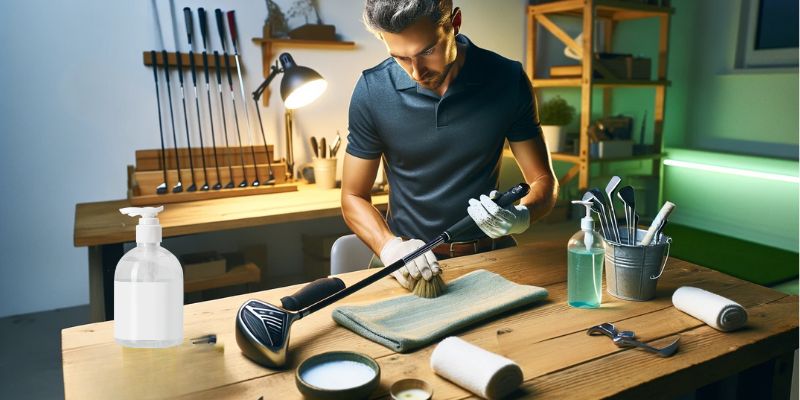
Clean and maintain your golf grips regularly to ensure they perform their best and last longer.
Proper maintenance not only preserves the feel and effectiveness of your grips but also enhances your overall game by providing consistent, slip-free contact with your clubs.
This guide will provide you with detailed tips and techniques on how to clean and maintain your golf grips, outline the necessary supplies you’ll need, and suggest the best times to perform these crucial maintenance tasks.
Clean and Maintain Your Golf Grips – Tips & Techniques
Regular maintenance of your golf grips is crucial for maximizing their lifespan and effectiveness.
Here are step-by-step tips and techniques to clean and maintain your golf grips:
Inspect Your Grips
Before cleaning, thoroughly inspect each grip for wear and tear. Look for any signs of degradation like cracks, hardening, or smooth areas where the golf grip should be tacky.
These signs indicate that it’s time for a replacement.
Wipe Down After Every Use
After every round or practice session, wipe down your grips with a damp cloth to remove dirt, sweat, and oils from your hands.
This simple step goes a long way in maintaining the grip’s tackiness and preventing the buildup of grime.
Deep Cleaning Process
To deep clean your grips, you’ll need a mild soap and water solution.
Use a soft scrub brush or cloth to gently clean the grips in a circular motion.
Rinse them thoroughly with clean water to remove any soap residue.
Dry the grips with a clean towel or allow them to air dry before storing your clubs.
Apply Grip Conditioner
Some golfers use a grip conditioner or restorer as part of their maintenance routine to rejuvenate the grips’ tackiness.
Apply according to the manufacturer’s instructions, typically by spraying or wiping it onto the grips and then wiping off any excess.
Necessary Cleaning Supplies
Having the right supplies will make the process of cleaning your golf grips effective and efficient.
Here’s what you’ll typically need:
Mild Soap
Choose a non-abrasive, mild soap to avoid damaging the material of your grips.
Harsh chemicals can deteriorate the rubber or synthetic materials used in most golf grips.
Soft Scrub Brush or Cloth
Use a soft-bristled brush or a microfiber cloth to apply the soap solution.
These materials are gentle on the grips and effective at removing embedded dirt without causing scratches or additional wear.
Clean Water
Always have plenty of clean water on hand to rinse your grips thoroughly after washing them with soap.
Towels for Drying
Have some towels ready to dry your grips after cleaning.
Microfiber towels are excellent for absorbing moisture without leaving lint or residue.
Frequency and Timing of Cleaning
The frequency of cleaning your golf grips depends on how often you play and the conditions in which you play:
Regular Players
If you play regularly, consider deep cleaning your grips at least once a month.
Additionally, wipe them down after each use to prevent the build-up of oils and dirt.
Infrequent Players
Even if you don’t hit the links as often, it’s good practice to clean and inspect your grips every few months or at the start and end of the season to ensure they remain in good condition.
Seasonal Considerations
Pay extra attention to grip maintenance during hot, humid months or if you play in dirty or sandy conditions, as these factors can accelerate the degradation of your grips.
Maintaining clean and well-cared-for golf grips is essential for any golfer looking to maintain a reliable and effective grip on their clubs.
Regularly cleaning and inspecting your grips not only prolongs their life but also improves your comfort and performance on the course.
With the right care, your golf grips can remain a vital part of your golfing equipment, always ready to help you play your best game.
How often should I clean my golf grips?
Golfers often ask about the recommended frequency for cleaning their golf grips based on how often they play and the environmental conditions they typically encounter.
What materials do I need to properly clean my golf grips?
Players may seek a list of essential cleaning supplies needed to maintain their golf grips, including specific types of soap and brushes.
Can I use household cleaners on my golf grips?
This common question arises as golfers wonder if everyday cleaning products are safe to use on their golf grips without causing damage.
by Mark Preston | May 1, 2024 | Golf Equipment & Products - Reviews, Articles & Guides
Golf grips comparison, understanding the differences between corded and rubber grips can significantly impact your choice and performance on the course.
This article explores the characteristics of both types of grips, delves into their respective benefits, and guides you through choosing the right option for your style of play.
Characteristics of Corded Grips
Corded golf club grips are known for their distinct feel and performance-enhancing features.
Here’s what sets them apart in a golf grips comparison:
Texture and Material
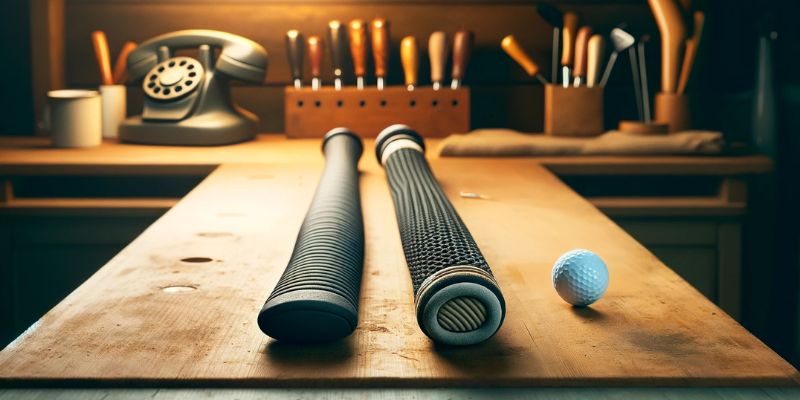
Corded grips are made by embedding tiny cords into the rubber, adding a rougher texture to the grip’s surface.
This design is intended to provide enhanced traction, making corded grips an excellent choice for playing in wet or humid conditions.
The cords help wick away moisture, ensuring that the grip remains tacky and secure in your hands despite the weather.
Durability
Another significant advantage of corded grips is their durability.
The cord material interwoven with the rubber not only improves grip but also extends the life of the grip itself.
Corded grips are less prone to wear and tear compared to their all-rubber counterparts, making them a wise choice for golfers who play frequently or in diverse conditions.
Feedback
Corded grips are typically firmer, offering better feedback with each shot.
This can be particularly beneficial for experienced golfers who rely on subtle cues from their equipment to fine-tune their game.
The enhanced feedback helps in adjusting swing strength and style according to the demands of the shot.
Benefits of Rubber Grips
Rubber grips, on the other hand, offer their own set of advantages, making them a popular choice among golfers of all skill levels.
Here’s why many opt for rubber in a golf grips comparison:
Comfort
Rubber grips are generally softer and more comfortable than corded grips.
They are designed to absorb more vibration, providing a gentler feel on impact, which can reduce hand fatigue and discomfort during a long day on the course.
This makes them particularly appealing to recreational golfers or those with hand sensitivity.
Variety of Designs
Rubber grips come in a wide range of textures, from smooth to heavily patterned, allowing for a personalized feel and functionality.
This variety lets golfers choose grips that best fit their hand size and personal preference, enhancing comfort and effectiveness.
Cost-Effectiveness
Typically, rubber grips are more affordable than corded options.
This cost-effectiveness makes rubber grips an attractive option for golfers looking to outfit multiple clubs at a reasonable price, or for those who prefer to replace their grips frequently to maintain optimal performance.
Which Should You Choose?
Choosing between corded and rubber grips often comes down to personal preference and playing conditions:
Consider Your Environment
If you frequently play in wet or humid conditions, corded grips might be the better choice due to their superior moisture management.
For drier climates, rubber grips could offer more comfort and sufficient performance.
Assess Your Needs for Comfort vs. Feedback
Rubber grips might be the way to go if you prioritize comfort and have a more casual approach to the game.
If you’re a more experienced golfer looking for detailed feedback to refine your technique, corded grips could provide the precision you need.
Try Both
Ultimately, the best way to decide is to try both types of grips in various conditions.
Many golf retailers offer demo grips or can re-grip one or two of your clubs as a test before you commit to a full set.
In conclusion, the golf grips comparison between corded and rubber grips highlights distinct benefits that cater to different golfing styles and needs.
Whether you choose corded for its durability and feedback or rubber for its comfort and variety, selecting the right grip can be a game-changer.
Remember, the best grips are the ones that feel right in your hands and improve your confidence and performance on the course.
What are the main differences between corded and rubber golf grips?
Golfers often ask about the distinct characteristics of corded versus rubber grips, including differences in texture, material, and overall feel.
Which type of grip is better for wet conditions?
Players looking to perform optimally in wet or humid conditions might inquire about which grip type offers better moisture management and traction.
Are corded grips more durable than rubber grips?
Durability is a common concern, prompting questions about whether corded grips, with their embedded cords, indeed last longer than plain rubber grips.

by Mark Preston | May 1, 2024 | Golf Equipment & Products - Reviews, Articles & Guides
How to change your golf club grips is a valuable skill that can save you time and money while allowing you to customize your clubs to your exact preferences.
With the right tools and some patience, you can change your golf grips at home with professional results.
This guide will walk you through what you’ll need to change your golf club grips and provide a step-by-step process for replacing your grips, and help you troubleshoot common issues that might arise.
What You’ll Need
Before you start the process to change your golf grips at home, you’ll need to gather a few essential tools and materials. Here’s what you’ll need:
Essential Tools and Materials
New Golf club Grips:
Choose the right grips based on your needs and preference for feel and weather resistance. Consider waterproof options if you often play in wet conditions.
Grip Solvent:
This helps the grips slide onto the club shafts more easily and helps activate the adhesive on the grip tape.
Double-Sided Grip Tape:
This tape adheres to both the grip and the shaft, ensuring that your new grips stay securely in place.
Hook Blade or Utility Knife:
You’ll need this to remove old grips and trim any excess tape.
Vice and Rubber Shaft Holder:
These stabilize the club and prevent damage to the shaft while you work.
Rags and a Tray:
To catch any dripping solvent and clean up afterward.
Step-by-Step Grip Replacement
Once you have all your materials, you can begin the process of changing your golf grips at home.
Follow these steps to ensure a smooth replacement:
Step 1: Remove Old Grips
Secure the club shaft in the vice using a rubber shaft holder to protect it.
Carefully slice through the old grip with a hook blade or utility knife.
Peel the grip away from the shaft. Remove any remaining grip tape and residue from the shaft.
Step 2: Prepare the Shaft
Wrap a layer of double-sided grip tape over the area where the new grip will sit, typically around 10 inches from the butt end of the shaft.
Overlap each turn slightly and ensure the tape is smooth and wrinkle-free. Leave extra tape at the end to tuck into the shaft hole.
Step 3: Apply Solvent
Cover the open end of the new grip with your finger or palm, and fill the grip with a generous amount of grip solvent.
Cover the other end and shake the grip to ensure the inside is fully coated.
Pour the solvent over the double-sided tape on the shaft.
Step 4: Install the New Grip
While the tape is still wet with solvent, align the grip with the shaft and slide it on.
Ensure it’s completely on and aligned properly.
Tap the butt end on the ground to fully seat the grip.
Step 5: Allow to Dry
Wipe off any excess solvent and allow the grip to set and dry as recommended by the grip manufacturer, usually around a few hours.
Troubleshooting Common Issues
Even with careful installation, you might encounter some issues when you change your golf grips at home.
Here are a few common problems and their solutions:
Grip Slippage
If a grip starts to twist or slide, it may not have been properly aligned or the solvent may not have completely activated the adhesive.
Make sure to use enough solvent and allow sufficient drying time.
Air Bubbles
Bubbles under the grip can cause uneven surfaces and poor performance.
To avoid this, ensure the tape is smoothly applied and that the grip is pushed on in one continuous motion.
Alignment Problems
Misaligned grips can affect shot accuracy.
To ensure proper alignment, make visual marks on the grip and shaft before installation, and check the alignment again after the grip is installed.
Changing your golf grips at home can be a rewarding DIY project that enhances your comfort and performance on the course.
You also must remember to keep your golf club grips clean and maintained.
With the right tools and techniques, you can efficiently and effectively replace your golf grips, ensuring they are perfectly suited to your game.
What tools do I need to change my golf grips at home?
Golfers often want a comprehensive list of all necessary tools and materials needed to replace their golf grips at home successfully, including any specific types of grip solvent or tape.
How do I remove old golf grips without damaging the club?
This question arises as users seek safe and effective methods for removing old grips, emphasizing techniques that prevent damage to the club shaft.
What are the steps to properly install new golf grips?
DIY enthusiasts often search for detailed, step-by-step instructions to ensure they correctly install new golf grips, including tips on aligning and seating the grips properly.