
by Mark Preston | Apr 24, 2024 | Golf Equipment & Products - Reviews, Articles & Guides
When the allure of distant greens calls, ensuring the safety of your golf clubs during travel is paramount.
Golf travel bags are designed specifically for this purpose, providing robust protection and peace of mind as you transport your precious equipment from course to course.
Whether you’re a competitive golfer heading to a tournament or a casual player planning a vacation, choosing the right golf travel bag can make all the difference.
Features to Look for in Golf Travel Bags
Selecting the right golf travel bag involves more than just picking one that fits your clubs.
Here are essential features to consider that enhance protection, convenience, and durability:
Padded Tops
A critical feature in golf travel bags is adequate padding at the top where the club heads reside.
This area is most susceptible to impact, so additional cushioning helps protect your drivers and irons from damage during handling and transit.
Sturdy Straps and Locks
Look for golf travel bags with strong, durable straps that can withstand the rigors of travel.
Adjustable straps help secure the golf bag tightly within the travel cover, minimizing movement and potential damage.
Quality locks are also crucial for securing your bag, especially when flying.
Smooth-Rolling Wheels
A golf travel bag with high-quality wheels offers maneuverability and ease of transport through airports and hotels.
Wheels that feature a smooth roll reduce the strain on your body and make it easier to navigate crowded spaces.
Storage Pockets
Ample storage for golf shoes, golf balls, golf tees, and other golf accessories is an invaluable feature.
Well-designed golf travel bags will have strategically placed pockets that allow for easy access and organization of all your golf essentials.
Hard Case vs. Soft Case Golf Bags
Choosing between hard case and soft case golf travel bags depends on your specific travel needs and personal preferences.
Hard Case Golf Bags
Hard case golf bags offer the highest level of protection with rigid exteriors, usually made from materials like molded plastic.
These cases are designed to absorb impact and are the best option for air travel where bags are frequently stacked and subjected to rough handling.
The main drawback is that they are heavier and bulkier, which might be a consideration if you’re facing airline weight limits.
Soft Case Golf Bags
Soft case golf travel bags are typically lighter and more flexible, made from strong fabrics like nylon or polyester that can withstand tears and abrasions.
They are easier to handle and often fold down for storage when not in use. While offering excellent protection, especially if well-padded, they are not as impervious to crushing as hard cases.
Soft cases are ideal for lighter travel and shorter trips.
Packing Tips for Golf Travel
How you pack your golf travel bag and how to organize golf bag can also impact the safety of your clubs.
Here are some tips to ensure your clubs arrive in top condition:
Use Head Covers
Always use head covers for your woods and any other clubs that might be vulnerable to knocking against each other.
This not only protects the clubs from scratches and dents but also reduces the noise of clanging clubs during transport.
Add Extra Padding
For additional protection, especially when using a soft case, consider wrapping your club heads in bubble wrap or a similar protective material.
You can also pack clothing around the club heads in the bag to provide extra cushioning.
Secure Loose Items
Ensure all pockets in your golf bag are securely fastened, and loose items are wrapped or padded to prevent movement.
Shoes should be packed in a separate shoe pocket if available, or alternatively, wrapped and tucked away securely.
Check Weight and Dimensions
Before heading to the airport, weigh your golf travel bag and check the dimensions against your airline’s baggage policy to avoid any last-minute fees or issues.
Golf travel bags are more than just functional items; they are an investment in the protection and longevity of your golf clubs.
Whether opting for a hard case for maximum security or a soft case for lightweight flexibility, the right golf travel bag can make your travels stress-free.
These bags are not only essential for protection but make perfect gifts for any golfer who travels in pursuit of the perfect game.
With the right planning and a good golf travel bag, your clubs will always arrive ready for the first tee.
What should I look for in a golf travel bag?
When choosing a golf travel bag, consider features like padded tops to protect club heads, durable straps and locks for security, smooth-rolling wheels for easy transport, and ample storage pockets for accessories.
What is the difference between hard case and soft case golf travel bags?
Hard case golf bags offer the highest level of protection with rigid exteriors and are ideal for air travel. Soft case bags are lighter and more flexible, made from durable fabrics, and are better suited for lighter travel or shorter trips.
How do I protect my golf clubs when using a golf travel bag?
Use head covers for additional protection, wrap club heads in bubble wrap or similar material for extra padding, and ensure that all pockets are securely fastened to prevent movement of items inside the bag.

by Mark Preston | Apr 23, 2024 | Golf Equipment & Products - Reviews, Articles & Guides
The psychology of golf is not only a physical but also a profoundly mental one.
The equipment you carry, the golf clubs you choose, and even the new gear you sport can significantly influence your mental approach and, consequently, your performance on the course.
The Psychology of golf and understanding the psychological impacts of these elements can help golfers of all skill levels make smarter choices about their equipment and approach each game with confidence.
Psychology of Golf and The Confidence Boost of New Golf Gear
The excitement of acquiring new golf gear does more than just please the senses—it can fundamentally alter your mental approach and performance on the golf course.
This psychological effect, stemming from the fresh feel of new equipment and apparel, boosts confidence and can lead to noticeable improvements in your game.
The Psychological Boost from New Golf Equipment
Boost in Self-Esteem: When you invest in new golf clubs, bags, or other equipment, it’s not just about the physical products themselves. There is a significant psychological uplift involved. New gear can make you feel more committed and serious about your golfing ambitions, enhancing your self-esteem and how you view your capabilities.
Enhanced Confidence: Having the latest technology in your golf clubs or the most advanced materials in your attire can provide a mental edge. Knowing you’re equipped with what’s best can elevate your confidence, making you feel more prepared and capable of performing your best.
Perception of Professionalism: Upgraded gear often comes with a sleek, professional appearance that can influence not only how others see you but also how you see yourself. This change in perception can be crucial in golf, a sport that values tradition and appearance.
The Role of “Enclothed Cognition” in Golf
The concept of “enclothed cognition” explores how the clothes and equipment one uses can significantly affect their psychological state and performance.
In the context of golf:
Mental Readiness: Dressing in professional, high-quality golf attire can put you in the right mindset to play seriously and competitively. Wearing well-designed, comfortable golf clothes can reduce distractions, allowing you to focus more on your game.
Influence on Performance: There is a direct correlation between what we wear and how we perform. Golfers wearing new, advanced gear often experience a boost in performance, partly because the attire and equipment enhance their mental focus and confidence.
Real-Life Examples and Expert Opinions
Many professional golfers and coaches advocate for the regular updating of equipment, not only to keep up with technological advancements but also for the psychological benefits.
For instance, a new driver that promises greater distance and accuracy can encourage a golfer to drive more assertively and confidently.
Sports psychologists have noted that this confidence can lead to better swing mechanics and increased consistency, as the golfer feels more in control and less anxious about making mistakes.
Integrating New Gear Into Your Golf Routine
To maximize the psychological benefits of new golf gear:
- Choose Wisely: Select gear that genuinely improves your game. Consult with experts or use fitting services to find equipment that suits your style and physique.
- Set Goals: With new gear, set specific, measurable goals to monitor improvement. This keeps you motivated and makes the benefits of the new equipment tangible.
- Focus on Comfort and Fit: Ensure that any new clothing or gear is comfortable and well-fitting. Discomfort can detract from the psychological benefits by shifting focus away from the game.
- Celebrate Small Wins: Use the confidence from your new gear to push for small, achievable wins, building your confidence further.
By understanding the psychological impacts of new golf gear and strategically integrating upgrades into your game, you can enhance your performance significantly.
This isn’t just about the feel-good factor—it’s about transforming that psychological uplift into tangible results on the golf course.
The Impact of Custom-Fitted Clubs on Performance
While new gear can boost confidence, the right fit of that gear—especially when it comes to clubs—is critical for actual performance improvement.
Enhanced Accuracy and Comfort
Custom-fitted clubs are tailored to your specific body measurements and playing style, ensuring that every swing you take is optimized for efficiency and accuracy.
Clubs that are too long or too short, or that have the wrong lie angle, can lead to poor form, inaccuracies in play, and even injuries.
The psychology of golf also helps when clubs fit just right, they feel like extensions of your body, giving you comfort and enhancing your natural swing.
Data-Driven Confidence
The process of getting custom-fitted involves detailed analysis of your swing, often using advanced technology that provides data about your game.
This information alone can be empowering, giving you insights into your mechanics and helping you understand and trust the clubs you’re using.
Knowing that your equipment is scientifically suited to your style can eliminate second-guessing, freeing your mind to focus on the game.
Mental Strategies for Overcoming Equipment Anxiety
While new and custom-fitted gear can improve your game, they can also lead to equipment anxiety—the fear of not performing to the level expected with new or specialized equipment.
Focus on the Process, Not the Outcome
One effective mental strategy to overcome equipment anxiety is to focus on the process of playing rather than the outcome of each shot.
This means concentrating on your stance, breathing, and swing technique rather than how far or accurately you hit the ball.
This process-oriented approach helps reduce pressure and build a more enjoyable and sustainable game.
Practice With Purpose
Spend time practicing with your new or custom-fitted clubs before heading to an important match.
Familiarity breeds comfort, and the more you use your equipment, the more natural it will feel.
Use practice sessions not just to refine your physical technique but to build mental habits that support confidence and focus.
Visualization and Positive Reinforcement
Visualize successful shots and games using your new equipment.
Mental visualization is a powerful tool in sports psychology, helping to reinforce muscle memory and boost confidence.
Combine this with positive reinforcement; celebrate the good shots and remind yourself that perfection is not the goal—improvement is.
Golf is as much a mental game as it is a physical one.
The equipment you choose plays a significant role in how you play and feel on the course.
By selecting the right gear, ensuring it fits your body and style, and adopting a healthy mental approach to new equipment, you can leverage psychology to enhance your performance and enjoyment of the game.
Whether you are gearing up for a casual round with friends or a competitive tournament, remember that confidence in your equipment starts with confidence in yourself.
How does new golf equipment affect a player’s confidence?
New golf equipment can provide a psychological boost, enhancing a golfer’s confidence. This increased self-esteem can translate into better performance, as players feel more capable and equipped to handle the challenges of the game.
What is enclothed cognition and how does it relate to golf?
Enclothed cognition is the theory that the clothing and equipment a person wears can affect their psychological processes and performance. In golf, wearing modern, well-fitted gear can make players feel more professional and prepared, potentially improving their game.
Why is custom fitting important for golf clubs?
Custom-fitted golf clubs are tailored to an individual’s specific body measurements and playing style, which can significantly enhance accuracy, comfort, and overall performance. Properly fitted clubs help ensure that swings are natural and efficient, leading to better form and fewer injuries.

by Mark Preston | Apr 23, 2024 | Golf Equipment & Products - Reviews, Articles & Guides
Buying golf clubs is akin to forging a partnership that will elevate your game, enhance your enjoyment, and perhaps even lower your scores.
Many golf enthusiasts, upon researching the best clubs to improve their game, discover that leading brands like Titleist, Callaway, TaylorMade, Ping, Mizuno, and Cobra each offer unique features tailored to different playing styles and preferences.
For both seasoned golfers and newcomers alike, the quest to find that perfect match in golf clubs can be as thrilling as it is daunting.
This buying golf clubs comprehensive guide aims to simplify that process, helping you understand the various types of clubs, how to test them effectively, and how to keep them in prime condition for years of rewarding play.
Understanding Golf Club Types and Their Uses
Golf clubs are categorized into several types, each designed for specific aspects of the game.
Understanding these variations is the first step in selecting the right set for your needs.
Drivers
Drivers are designed to give you the maximum distance.
They have the largest heads of any club type, which provides a bigger sweet spot, and are typically used for the tee shot on par-4 and par-5 holes.
Brands like TaylorMade and Cobra are renowned for their drivers, offering options that emphasize speed and forgiveness.
Irons
Irons range from 1 to 9, although 1 irons are rare.
They are used for a variety of shots from the fairway, rough, or even the tee on shorter holes.
Irons can be divided into categories like long irons, which are challenging but hit the ball farther, and short irons, which are easier to wield and more precise.
Women’s golf sets typically feature irons with higher lofts and more flexible shafts, catering to slower swing speeds.
Wedges
Wedges are specialized irons with greater loft, designed for short-distance shots, to get the ball airborne quickly, and for shots requiring high accuracy.
Common types include pitching wedges, sand wedges, and lob wedges.
They are crucial for navigating challenging greenside and bunker shots.
Putters
The putter’s primary use is to roll the ball into the hole from a short distance away.
Putters come in various shapes and sizes, from traditional blade putters to modern mallet designs, with specific features designed to aid alignment and improve consistency.
Hybrids
Hybrids are a cross between irons and woods, designed to combine the best features of both.
They are easier to hit than long irons and are used in situations where a wood might be too much club.
They are particularly popular among amateur golfers and are increasingly included in women’s golf sets for their versatility and ease of use.
Choosing the right golf clubs is a nuanced process that goes beyond simply knowing the purpose of each type. It involves testing different models and brands to find what best complements your skills and playing style.
Custom Fitting
Custom fitting is a critical step for any golfer looking to improve their game. This process involves analyzing factors like your clubhead speed, swing path, and general shot tendencies.
Key Points:
- Professional Analysis: A skilled fitter can suggest adjustments in club length, lie angle, and grip size based on your mechanics.
- Tailored Solutions: Some brands offer fittings specifically geared towards women or players with unique needs.
Recommended Brands:
- TaylorMade and Cobra are renowned for their comprehensive custom fitting services. They use advanced technology to match clubs to a player’s specific swing characteristics.
Testing Different Brands and Models
It’s essential to try various brands and models to see which clubs feel the most natural during your swing and deliver consistent results.
Testing Tips:
- Use Simulators: Golf simulators offer a controlled environment where you can receive instant feedback on each shot’s trajectory, distance, and accuracy.
- Focus on Feel: Note how each club feels in your hand and during your swing. Comfort and control are key to improving your game.
Where to Test:
- Most large sporting goods stores and golf specialty shops have areas where you can test golf clubs. Some stores may also have simulators available.
Cost Considerations for Golf Sets
The price of golf clubs can vary widely based on the brand, quality, and whether you’re buying clubs individually or as part of a set.
Average Prices:
- Beginners: Entry-level sets from brands like Wilson and Top Flite typically range from $200 to $400. These sets usually include all the necessary clubs to get started.
- Experienced Golfers: More advanced sets from Callaway or Ping can cost anywhere from $800 to $1,500 or more, depending on the inclusion of cutting-edge technology and custom fittings.
By undergoing a professional fitting and testing different club models, both novice and seasoned golfers can find the ideal set that matches their playstyle, enhances their strengths, and addresses any weaknesses. This investment not only improves your game but also ensures that your clubs will be enjoyable to use over many rounds of golf.
Considerations for Women
Women golfers should look for clubs with lighter shafts, higher lofts, and specific designs that offer better control and easier playability.
Many manufacturers offer women’s specific models that are optimized for typical female golfers’ needs.
Maintenance Tips for Your Golf Clubs
Proper maintenance of your golf clubs not only extends their life but also ensures consistent performance.
Regular Cleaning
Regularly clean your clubs after each round.
Use a soft brush and soapy water to clean the heads, and wipe down the shafts with a damp cloth.
This prevents dirt and grime from affecting the clubs’ performance.
Storage
Store your clubs in a dry, cool place. Humidity and temperature extremes can damage the clubs over time.
Use head covers, especially for woods and drivers, to protect them from knocks and scratches.
Check for Wear and Tear
Regularly inspect your clubs for signs of wear and tear, such as loose fittings or worn grips, and have them repaired or replaced as necessary.
This not only helps maintain the quality of your clubs but also ensures safety during play.
Finding the perfect golf clubs involves a blend of technical knowledge, personal preference, and careful testing.
Whether you are investing in your first set of clubs or looking to upgrade to a premium set tailored to your style, understanding the nuances of each type of club, testing various options, and maintaining your equipment will help you make the most informed decision.
This guide is not just about equipping you with golf clubs; it’s about equipping you with confidence, knowledge, and a deep connection to every aspect of the game.
What are the different types of golf clubs and their uses?
Golf clubs are categorized into drivers, irons, wedges, putters, and hybrids. Drivers are used for maximum distance off the tee, irons are used from various distances depending on their number, wedges are used for short-distance shots and special situations like sand bunkers, and putters are used for rolling the ball into the hole on the green.
When Buying golf clubs how can i be sure they are the right golf clubs for my game?
Choosing the right golf clubs involves assessing your skill level, playing style, and physical characteristics. It’s beneficial to undergo a custom fitting session where aspects like swing speed and shot tendencies are analyzed. Testing different brands and models can also help you find clubs that feel good and enhance your performance.
What is a hybrid golf club and when should I use it?
A hybrid club combines characteristics of both woods and irons, making it versatile for various situations. It is generally easier to hit than a long iron and is useful for long shots where a wood might be too powerful, especially from the rough or in challenging lies.
by Mark Preston | Apr 23, 2024 | Golf Equipment & Products - Reviews, Articles & Guides
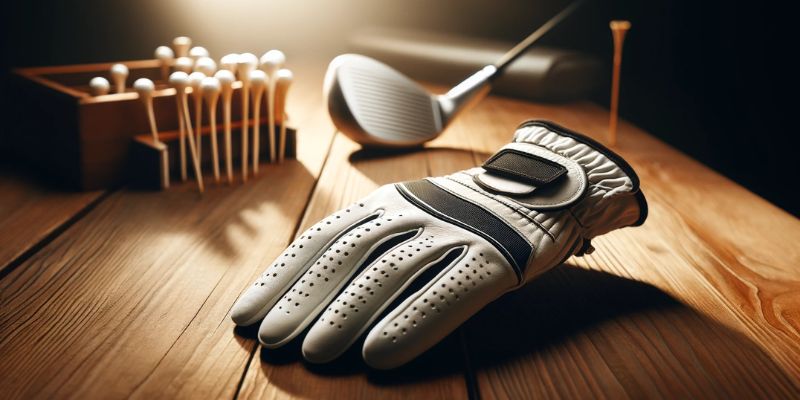
A good golf glove is much more than a simple accessory.
It is a crucial piece of equipment that can significantly affect your game by enhancing grip and providing comfort throughout your round.
As with most aspects of golf equipment, choosing the right golf glove involves understanding the materials available, how to care for them, and the brands that offer the best combination of quality and value.
Let’s explore how the right golf glove can elevate your game and which options might best meet your needs.
Leather vs. Synthetic: Choosing Your Golf Glove
Choosing the right golf gloves is crucial as they are one of the primary points of contact between you and your golf club.
Whether to go for leather or synthetic gloves depends on multiple factors including comfort, durability, weather resistance, and personal preference.
Here’s a deeper dive into the benefits of both leather and synthetic golf gloves to help you make an informed decision.
Leather Golf Gloves: Tradition Meets Comfort
Leather golf gloves are revered for their exceptional feel and grip, which are essential for precise control during a swing. Here’s why many golfers prefer leather:
- Natural Fit: Leather gloves mold to the shape of your hand over time, offering a custom fit that enhances your grip and control over the club.
- Premium Materials: The most commonly used leather in golf gloves is cabretta leather, known for its softness, thinness, and ability to withstand wear. It offers a balance of durability and a luxurious feel that many golfers appreciate.
- Superior Performance in Dry Conditions: Leather gloves provide unmatched grip and feel in dry conditions, making them ideal for sunny days on the course.
However, leather gloves tend to be more expensive than their synthetic counterparts and require more care to maintain their condition. They may not perform as well in wet or humid conditions, as moisture can affect the leather’s grip.
Synthetic Golf Gloves: Durability and Flexibility
For golfers looking for a more versatile and low-maintenance option, synthetic gloves present a compelling alternative. Features of synthetic golf gloves include:
- Enhanced Durability: Made from materials like polyester and spandex, synthetic gloves are designed to last. They are particularly suited to frequent players who need a glove that can endure multiple rounds.
- Weather Versatility: Synthetic materials excel in various weather conditions, maintaining their performance in humidity and wet weather where leather might become slippery.
- Ease of Care: Synthetic gloves are generally easier to clean and maintain compared to leather gloves. They are also more resistant to water damage.
Synthetic gloves tend to be less expensive, offering an economical option for golfers who play often or face diverse playing conditions.
How to Choose Between Leather and Synthetic Golf Gloves
The choice between leather and synthetic golf gloves often boils down to the specific needs and preferences of the golfer:
- Assess Your Playing Conditions: Consider the typical weather conditions in which you play. If you often play in wet or humid conditions, synthetic gloves might be more practical.
- Consider Durability Needs: Frequent players might prefer the durability and ease of maintenance that synthetic gloves offer.
- Evaluate the Importance of Feel: If the tactile connection between your hand and the club is crucial for your confidence and performance, the superior feel of leather might be worth the investment.
- Budget Considerations: If cost is a concern, synthetic gloves generally provide a more budget-friendly option without sacrificing much in terms of performance.
Whether you choose leather or synthetic, ensuring the right fit and feel can significantly impact your comfort and performance on the course.
Both types of gloves offer distinct advantages, and the right choice depends on balancing those benefits with your personal golfing needs and preferences.
Caring for Your Golf Gloves
Proper care can extend the life of your golf gloves significantly, no matter the material. Here are some tips to keep your gloves in top condition:
Keep Them Dry
Moisture is the enemy of both leather and synthetic gloves. After a round, make sure to air out your gloves.
If they become wet during play, lay them flat to dry in a natural shape. Avoid radiators or direct sunlight, which can harden the material and cause it to become brittle.
Proper Storage
When not in use, store your golf gloves in a cool, dry place. To avoid creasing, place them flat or on a glove keeper, which can help maintain the glove’s shape and prevent shrinkage.
Cleaning
For leather gloves, minimal cleaning is recommended—usually just a gentle wipe with a damp cloth.
Synthetic gloves can often handle a gentle wash with mild soap and water. Always check the care instructions provided by the manufacturer.
Top Golf Glove Brands Reviewed
When it comes to choosing a golf glove, several brands consistently stand out due to their quality, innovation, and range of options.
FootJoy
FootJoy is synonymous with quality in the golf glove market.
Their gloves, such as the StaSof, offer a premium feel and are made from high-grade cabretta leather, providing both comfort and durability.
Callaway
Callaway gloves are known for their technological innovations, such as the Opti Feel+ Leather for improved fit and durability.
They offer a range of both leather and synthetic options suitable for all weather conditions.
Titleist
Titleist, best known for their golf balls, also offers top-quality gloves like the PermaSoft, which is made from smooth cabretta leather and designed to resist moisture.
Nike
Nike provides stylish and functional gloves with a focus on comfort and grip.
Their Dura Feel glove is particularly popular among golfers looking for a great blend of synthetic and leather.
Bionic
Designed by orthopedic hand specialists, Bionic gloves offer unique ergonomic features that can help reduce hand fatigue and increase grip strength without sacrificing touch.
Choosing the right golf glove is about more than just fit—it’s about enhancing your grip, protecting your hand, and improving your overall comfort during play.
Whether you’re buying a glove for yourself or as a gift, consider how features like material and construction align with your needs on the course.
A good golf glove is an investment in your comfort and performance, making every swing that much better.
Why is a good golf glove important?
A good golf glove is important because it enhances your grip on the club, provides comfort throughout the game, and helps protect your hand from blisters and the elements. It can improve your control over the club and influence your overall performance.
What are the differences between leather and synthetic golf gloves?
Leather gloves are known for their superior feel and natural fit, adapting to the shape of your hand over time. They are generally more suitable for dry conditions. Synthetic gloves are more durable and flexible, perform better in wet conditions, and are easier to care for. They are often more affordable than leather gloves.
How should I care for my golf glove to extend its life?
To extend the life of your golf glove, keep it dry, store it properly in a cool and dry place, and clean it according to the manufacturer’s instructions. For leather gloves, use a damp cloth for cleaning and avoid harsh conditions; for synthetic gloves, some mild soap and water can be used.
by Mark Preston | Apr 23, 2024 | Golf Equipment & Products - Reviews, Articles & Guides
Finding the Perfect Golf Gift: Ideas for Every PlayerIn the age of information and smart golf technology, golf has experienced a technological revolution that has transformed not only how the game is played but also how players improve and interact with the sport.
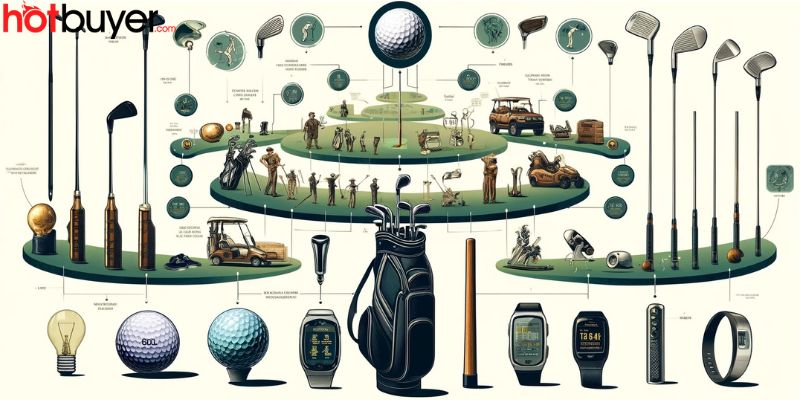
Smart indoor golf equipment and gadgets are now pivotal components of the modern golfer’s arsenal, providing data-driven insights that were once the exclusive domain of professionals with access to high-end coaches and training facilities.
Let’s delve into the exciting world of smart golf technology and explore how these advancements are enhancing every aspect of the game.
Wearable Golf Tech: Watches and Sensors
GPS Watches
One of the most significant innovations in golf technology is the GPS watch.
These wearable devices have become indispensable for golfers at all levels, offering real-time data on distances, course layouts, and even hazard locations.
Brands like Garmin and Bushnell have pioneered GPS technology that helps players make informed decisions about club selection and strategy without slowing down the pace of play.
The convenience of having a virtual caddie on your wrist not only boosts confidence but also enhances the overall golfing experience.
Sensors and Performance Trackers
Beyond GPS watches, wearable sensors have also made their mark.
Devices such as the Arccos Caddie smart sensors attach directly to clubs and work alongside a mobile app to track and analyze every shot taken on the course.
This technology captures data on swing speed, distance, and accuracy, allowing golfers to pinpoint strengths and weaknesses in their game.
The emotional benefit of understanding and improving your golf skills through immediate feedback can be incredibly satisfying and motivational.
Smart Clubs and Balls: The Future of Golf?
Intelligent Club Technology
The advent of smart clubs is one of the most exciting developments in golf.
These clubs are equipped with sensors embedded in the grip or throughout the club itself, providing analytics on swing paths, impact angles, and more.
TaylorMade’s Spider Interactive putter, for example, uses integrated sensors to deliver real-time stroke analytics, helping golfers refine their putting technique with precision never before possible.
Smart Golf Balls
Innovations extend beyond clubs.
Smart golf balls are now hitting the market, offering built-in sensors that track speed, spin, and distance.
Although still in early development stages, these smart balls promise a future where golfers can receive instant feedback on every shot, dramatically improving practice efficiency and game analysis.
The Impact of Technology on Golf Training
Personalized Training Programs
With the influx of data from smart golf equipment, personalized training programs that cater to individual strengths and weaknesses are becoming the norm.
Golfers can now use apps and software to analyze their playing style and receive customized drills and advice.
This targeted approach to training can accelerate improvement, making the sport more accessible and enjoyable for players at all skill levels.
Accessibility and Inclusivity
Smart technology is also democratizing golf, making advanced training tools available to a broader audience.
This inclusivity is particularly impactful in women’s golf, where tailored equipment and training programs are encouraging more women to participate in the sport.
The availability of equipment that caters specifically to women’s needs is crucial in promoting gender equality in golf.
The Social Aspect
Moreover, smart golf technology enhances the social aspect of the sport.
Apps and online platforms allow golfers to connect, compete, and share their experiences and progress with a global community.
This connectivity not only fosters a sense of community among golfers but also adds an element of competition and fun to training.
Smart golf equipment and gadgets are more than just tools; they are transforming the landscape of golf by making advanced analytics and professional-grade training accessible to all.
Whether you are looking for the perfect gift for the golf enthusiast in your life or seeking to elevate your own game, the latest in golf technology offers both the means and the motivation to achieve those goals.
As golf continues to evolve, these smart devices will undoubtedly play a pivotal role in shaping the future of this timeless sport.
What are smart golf equipment and gadgets?
Smart golf equipment and gadgets incorporate advanced technology, such as sensors and GPS, to provide players with data-driven insights about their game. These devices include GPS watches, smart golf clubs, and balls that track performance metrics like swing speed, distance, and accuracy.
How do smart golf clubs work?
Smart golf clubs have sensors embedded either in the grip or throughout the club itself. These sensors collect data on every swing, including impact angles and swing paths, which is then analyzed to help golfers improve their technique and performance.
Can smart golf gadgets help improve my game?
Yes, smart golf gadgets are designed to offer precise feedback and analytics on your golfing performance, helping you identify areas for improvement. Devices like GPS watches and performance trackers provide real-time data that can enhance decision-making and refine skills.