
by Mark Preston | Apr 16, 2024 | Golf Equipment & Products - Reviews, Articles & Guides
Introduction: Mastering Golf in Windy Conditions
Playing golf in windy conditions presents a unique set of challenges that can test the skills of even the most seasoned golfers. The wind can alter the trajectory of the ball, decrease control over shot placement, and even affect the distance the ball travels. These unpredictable elements require not only skill and strategy but also the right equipment to maintain consistency and performance.
Choosing the right golf ball is crucial under these conditions. The appropriate golf ball can significantly minimize the adverse effects of the wind, allowing for better control and stability. It can help maintain the ball’s trajectory, reduce spin susceptibility to crosswinds, and ensure that the ball travels the intended distance. Therefore, selecting a golf ball designed to perform well in windy conditions is not just a matter of preference but a strategic decision that can enhance your game and increase your confidence on the course.
Understanding Golf Ball Dynamics
Aerodynamics of Golf Balls:
The flight and stability of a golf ball in the air are significantly influenced by its aerodynamic properties. A golf ball’s design, particularly its shape and surface texture, plays a pivotal role in how it interacts with the air as it travels. When a golf ball is struck, it creates a thin layer of air, or boundary layer, that wraps around its surface, affecting lift and drag forces. Lift helps the ball stay aloft longer, while drag slows it down.
The overall design aims to achieve a balance where the ball can travel long distances while remaining stable in flight. The lift and drag are influenced by the ball’s velocity, the density of the air, and the smoothness of the ball’s surface. In windy conditions, maintaining this balance becomes crucial as the wind can amplify any instability in flight, causing the ball to deviate from its intended path.
Spin and Dimples:
Spin rate and dimple patterns are two critical aspects of a golf ball’s design that affect its performance, especially in windy conditions.
- Spin Rate: The rate at which a golf ball spins around its axis during flight is called spin rate. A higher spin rate can increase lift due to more air interaction with the ball’s surface, which is beneficial in calm conditions as it helps the ball travel farther and land softly on the greens. However, in windy conditions, a high spin rate can be detrimental as it might cause the ball to drift more in crosswinds or get caught up and carried away in headwinds. Thus, a lower spin rate is often preferable in windy settings as it helps reduce the ball’s sensitivity to wind, leading to straighter shots.
- Dimple Patterns: The dimples on a golf ball’s surface are not merely aesthetic; they are meticulously designed to control the turbulence around the ball. Dimples help create a more streamlined air flow around the ball, reducing drag and allowing it to fly smoother and further. In windy conditions, the pattern and depth of the dimples can influence how much grip the air gets on the ball, impacting how much the wind affects it. Certain dimple designs are engineered to reduce the wind’s impact, helping maintain the ball’s line and length.
Understanding these dynamics can significantly help golfers choose a golf ball that will perform optimally in windy conditions, providing them with an edge in controlling their game despite the challenging environment.
Types of Golf Balls Suitable for Windy Conditions
High Spin vs. Low Spin Golf Balls:
In windy conditions, the type of spin on a golf ball can greatly influence its performance.
- High Spin Golf Balls are designed to increase lift and provide greater control when landing on the greens, making them ideal for shots approaching the green where precision is crucial. However, in windy conditions, high-spin balls can be problematic. The increased lift and longer air time can result in the ball being more susceptible to wind, which may cause it to deviate from its intended path, especially in side winds.
- Low Spin Golf Balls typically offer reduced air time and less deviation from side winds. These balls are engineered to produce a lower trajectory and less spin off the tee, resulting in straighter shots even in the presence of wind. This makes low-spin balls particularly beneficial in windy environments as they are less affected by the gusts, providing more consistency and predictability in the ball’s flight path.
Two-Piece vs. Multi-Layer Golf Balls:
The construction of a golf ball also plays a significant role in how it performs in windy conditions.
- Two-Piece Golf Balls consist of a core and a cover, which generally leads to lower spin rates and a firmer feel. The simplicity in design makes these balls more durable and cost-effective, while also being suited for players with lower swing speeds. In windy conditions, the two-piece construction is advantageous as it typically results in a lower flight path and less deviation due to wind, making it a popular choice among average golfers looking for distance and wind resistance.
- Multi-Layer Golf Balls are designed with additional layers that encase the core, each tailored to provide different benefits such as enhanced spin, increased control, or extra distance. These balls are favored by more skilled golfers who seek a balance between distance and spin control. In windy conditions, however, the higher spin characteristics of multi-layer balls can be a double-edged sword. While they offer better control around the greens, they might be more challenging to manage in strong winds, especially on long drives where control over trajectory and spin is critical.
Choosing the right type of golf ball based on these characteristics can make a significant difference in performance when playing in windy conditions. Golfers must weigh the benefits of spin control and flight stability to select a ball that best meets their needs and playing style, particularly when dealing with the unpredictable nature of wind on the course.
Recommended Golf Balls for Windy Play
Expert Picks:
When playing in windy conditions, choosing the right golf ball can significantly impact your game by maintaining control and optimizing distance. Here are a few expert-recommended golf balls that excel in windy conditions:
- Titleist Pro V1x
- The Titleist Pro V1x is favored for its high trajectory and firm feel, which are conducive to playing in the wind. It features a multi-layer construction that helps reduce spin off the driver, making it easier to control in breezy conditions. The Pro V1x’s consistent flight pattern and durability also make it a popular choice among golfers looking to combat the effects of the wind.
- Callaway Chrome Soft X
- This ball is designed for players who seek maximum performance. The Chrome Soft X offers a lower spin on long shots, which helps in reducing wind influence while maintaining a high level of control around the greens. Its Dual SoftFast Core enhances speed and distance, making it a great option for windy days.
- Bridgestone Tour B X
- Bridgestone’s Tour B X ball is engineered to provide a firmer feel and lower spin on the driver shots, which helps in achieving more distance and straighter flight in windy conditions. It features a proprietary SlipRes cover that enhances feel and control, making it easier to play in the wind.
- Srixon Z-Star XV
- Known for its durability and green-side control, the Srixon Z-Star XV is an excellent choice for windy conditions. It offers a combination of less drag and more lift through its advanced dimple pattern, which stabilizes flight in breezy conditions. This ball is designed for golfers who need extra spin control without sacrificing distance.
What Professionals Use:
Professional golfers often opt for balls that provide both control and versatility in all playing conditions, including wind:
- Titleist Pro V1 and Pro V1x: These are amongst the most popular choices on professional tours. The Pro V1 provides lower spin and a more consistent flight, which is critical in windy conditions. Professionals value these balls for their exceptional distance control and reliable flight path, even in adverse weather.
- TaylorMade TP5x: Many professional golfers turn to the TP5x for its five-layer construction, which allows for optimized performance across all clubs. Its ability to cut through the wind with a piercing trajectory makes it a standout choice during windy rounds.
- Callaway Chrome Soft: This ball is chosen by professionals for its SoftFast Core, which aids in reducing spin on long shots while providing the control needed on approach shots. The Chrome Soft is engineered to perform under windy conditions, helping maintain stability and control.
Understanding what professionals use and recommend can provide insights into how different golf ball designs and technologies react under windy conditions, helping amateur golfers make informed decisions based on their playing style and environmental challenges.
Factors to Consider When Choosing Golf Balls for Wind
Your Playing Style:
The choice of golf ball can greatly depend on an individual golfer’s swing speed and playing style, which can influence how the ball performs, especially in windy conditions.
- Swing Speed: Golfers with higher swing speeds are generally able to compress the golf ball more effectively, which can lead to increased spin and lift. In windy conditions, a high-spin ball might not be ideal as it could exaggerate the effects of the wind, causing the ball to veer off course. For these golfers, a low-spin golf ball might be more appropriate as it reduces the wind’s impact on the ball’s trajectory. Conversely, golfers with lower swing speeds might benefit from a golf ball that offers more spin to achieve greater distance, but they still need to consider a ball that balances spin with wind resistance.
- Playing Style: Golfers who prefer a controlled, precise game, especially around the greens, might opt for a golf ball that provides higher spin around the short game area, even if it means a bit more challenge controlling the ball in windy conditions on longer shots. Those who prioritize long drives and overall distance might favor a harder, lower-spinning ball that performs better in the wind on long shots.
Course Conditions:
Besides wind, other course conditions should also play a significant role in selecting the right golf ball. Here are a few considerations:
- Course Layout: If the course features wide-open spaces without many barriers to block the wind, choosing a ball designed for lower trajectory and less spin may help in managing the play more effectively. On more sheltered courses, the effects of the wind might be less pronounced, allowing for a greater range of ball choices.
- Green Firmness: The choice of golf ball can also depend on the firmness of the greens. For hard, fast greens, a softer golf ball that provides more spin can help achieve better control and stopping power upon landing. In contrast, on softer greens, a firmer golf ball may be adequate as it will naturally have less roll-out.
- Moisture Levels: Wet conditions can affect how far the ball travels and its stopping capabilities on the green. In moist conditions, a golf ball with better spin characteristics might help maintain control during play, as wet conditions can often reduce the natural spin and speed of the ball.
By considering both personal playing style and varying course conditions, golfers can better equip themselves with a golf ball that not only suits their game but also maximizes their performance in challenging windy environments. This strategic choice helps in turning a potentially difficult day on the course into a manageable and even enjoyable one.
Conclusion: Enhancing Your Game with the Right Golf Ball for Windy Conditions
Selecting the right golf ball is crucial, particularly when playing in windy conditions that can unpredictably affect the trajectory and distance of your shots. Throughout this discussion, we have explored various factors that emphasize the importance of making an informed choice based on your specific needs.
Key Takeaways:
- Understanding Golf Ball Dynamics: Knowing how aerodynamics, spin, and dimple design influence a golf ball’s performance in the wind is essential. Lower spin rates and optimized dimple patterns can help reduce wind interference, allowing for more controlled and predictable shots.
- Choosing the Right Type: We’ve compared high-spin versus low-spin and two-piece versus multi-layer golf balls, concluding that low-spin and two-piece options generally perform better in windy conditions by offering greater stability and reduced air resistance.
- Expert Recommendations: By considering expert picks and what professionals use, we’ve identified golf balls that are particularly effective in windy conditions, such as the Titleist Pro V1x, Callaway Chrome Soft X, and Bridgestone Tour B X.
- Factors to Consider: Your choice should also take into account your personal playing style and the specific conditions of the courses you frequent. Matching the golf ball to your swing speed, preferred feel, and the typical course layout can significantly impact your performance.
Switching to a golf ball that’s better suited for windy conditions can transform your playing experience. Not only can it help mitigate the frustrating effects of the wind, but it can also boost your confidence, knowing you have equipment tailored to maximize your performance regardless of the weather.
As you consider upgrading your golf balls, remember that this small change could lead to noticeable improvements in your game. Whether you’re an amateur enthusiast or an experienced player, the right golf ball serves as a crucial tool in your arsenal, helping you tackle the challenges of windy rounds more effectively. Try out some of the recommended models and see how they can help you maintain control and consistency when you need it most.

by Mark Preston | Apr 16, 2024 | Golf Equipment & Products - Reviews, Articles & Guides
Hydration is a cornerstone of any active lifestyle, but it holds a particularly pivotal role in the game of golf, where concentration and physical endurance can make or break your game.
On a sun-drenched course, where the game can last for hours, staying hydrated is crucial for maintaining peak performance and ensuring overall health.
Choosing the best golf water bottle is not just about quenching thirst—it’s about integrating a key piece of performance gear into your game strategy.
Why Hydration Matters in Golf
Hydration affects both physical and cognitive functions, which are vital in the game of golf.
Dehydration can lead to decreased coordination, fatigue, and overheating, all of which can significantly impair your ability to swing a golf club effectively and make strategic decisions on the course.
Here’s why adequate hydration is especially important:
Enhanced Concentration: Staying hydrated helps maintain your concentration throughout the 18 holes, crucial for those long putts and strategic plays.
Optimal Physical Performance: Proper hydration ensures that your muscles are functioning well, reducing the risk of cramps and strains.
Temperature Regulation: Golf often exposes players to the elements for extended periods. Water intake helps regulate body temperature, keeping you comfortable and safe, particularly on very warm days.
Incorporating regular sips from a water bottle throughout your game can dramatically improve your performance and enjoyment of the sport.
Top Features of a Great Golf Water Bottle
When selecting a water bottle for golf, consider features that enhance its practicality and effectiveness.
Here are several must-have features that define the best water bottles for sports:
Insulation: Look for a bottle with excellent insulation properties to keep your water cold throughout the round.
Insulated stainless steel bottles can maintain the temperature of liquids for hours, which is ideal for long summer games.
Durability: A good sports bottle should withstand a few knocks and falls. High-grade materials like stainless steel or durable plastics are preferred for their robustness.
Leak-proof Design: Ensure that the bottle cap seals tightly. A leak-proof design prevents any spillage in your golf bag, protecting your electronic devices and other gear.
Ease of Use: A bottle that opens easily allows you to hydrate without a fuss. Features like a flip-top or a one-handed push-button release are beneficial, especially when you’re moving between shots.
Capacity: The size of the bottle should be sufficient to keep you hydrated for at least half of your game without refilling. A capacity of around 24 ounces is typically adequate.
Portability: Features like a slim design or a handle can make the bottle easier to carry or attach to your golf cart or bag.
Choosing a water bottle with these features ensures that it’s not only functional but also a pleasure to use, encouraging regular hydration.
How to Clean and Maintain Your Golf Water Bottle
Keeping your golf water bottle clean is essential for preventing the buildup of bacteria and mold, and for ensuring that it does not develop any unpleasant smells or tastes.
Here’s how to keep your sports bottle in top condition:
Regular Washing: Clean your bottle after every use, using hot soapy water. Thoroughly scrub the inside with a bottle brush to remove any residue.
Deep Cleaning: For a deeper clean, use a mixture of vinegar and water or baking soda and water. Let the mixture sit in the bottle for a few hours, then rinse thoroughly.
Drying: After washing, dry your bottle completely with the cap off to prevent moisture buildup inside, which could lead to mold.
Storage: Store your water bottle with the lid off to keep the interior dry when not in use.
Proper maintenance not only extends the life of your water bottle but also ensures that it remains safe and pleasant to use every time you head to the course.
In conclusion, a good golf water bottle is an indispensable accessory for any golfer, making it an excellent gift or a wise personal investment.
By choosing a bottle that combines functionality with durability, and by maintaining it well, you can ensure that you stay adequately hydrated, comfortable, and focused, helping you to perform your best from the first tee to the final putt.
Why is hydration important in golf?
Hydration is crucial in golf as it enhances concentration, maintains optimal physical performance, and helps regulate body temperature.
Staying hydrated helps avoid fatigue, overheating, and decreased coordination, which are vital for effective swing and strategic decision-making on the course.
What features should I look for in a golf water bottle?
Look for a water bottle with excellent insulation to keep water cold, durability to withstand knocks, a leak-proof design to prevent spills, ease of use (like a flip-top or one-handed push-button), adequate capacity (about 24 ounces), and portability features such as a slim design or handle.
How should I clean and maintain my golf water bottle?
Clean the bottle after each use with hot soapy water and a bottle brush. For a deeper clean, use a vinegar or baking soda solution.
Always dry the bottle completely with the cap off to prevent moisture buildup and store it with the lid off to keep the interior dry.

by Mark Preston | Apr 16, 2024 | Golf Equipment & Products - Reviews, Articles & Guides
A solid golf swing is significantly influenced not just by your technique and strength but also by your choice of golf gloves.
These seemingly small items are critical in achieving both comfort and control, whether playing in sunny or chilly conditions.
The right golf glove can improve your grip, decrease hand fatigue, and enhance overall performance—proving that even the smallest pieces of gear can make a big difference.
Leather vs. Synthetic Golf Gloves: Making the Right Choice
When choosing golf gloves, the material is crucial, with each type catering to different needs and conditions.
- Leather Gloves: Known for their exceptional feel and fit, leather gloves provide excellent grip and precision. They mold to the shape of your hand over time, offering a tailored fit that improves with each wear. Ideal for dry conditions, these gloves require more maintenance due to their tendency to absorb moisture. The average price of high-quality leather golf gloves ranges from $15 to $25.
- Synthetic Gloves: These gloves are made from durable, flexible materials that withstand various weather conditions, particularly moisture. Synthetic gloves often include reinforced areas to combat wear, making them a lasting choice. They excel in humid or wet environments and are typically more affordable than leather, with prices generally between $10 and $20.
Choosing between leather and synthetic gloves will depend on your personal preferences, how often you play, and the typical weather conditions of your favorite golf courses.
Impact of Golf Gloves on Gameplay
Golf gloves do more than just cover your hands; they play a pivotal role in enhancing your gameplay:
- Enhanced Grip and Control: Gloves provide a stable hold on your club, crucial for maintaining control, especially on hot or rainy days.
- Reduced Hand Fatigue: The glove absorbs some of the shock from striking the ball, lessening hand strain during extended play.
- Protection from Blisters and Calluses: A quality glove shields your skin from abrasions, keeping your hands smooth and pain-free.
- Improved Consistency: A steady grip contributes to a more uniform swing, boosting both technique and confidence.
Investing in the right golf glove is about more than comfort; it’s about optimizing performance.
Best-Selling Golf Gloves on the Market
The best-selling golf gloves combine quality materials with smart design, catering to various preferences and needs. Some top sellers include:
- FootJoy WeatherSof ($12): Offers durability and comfort in all weather conditions, making it a favorite among casual and professional players alike.
- Callaway Dawn Patrol ($20): This all-leather glove provides a luxurious feel and excellent fit, popular for its classic look and enhanced grip.
- Titleist Players Glove ($25): Known for its thin, soft leather that delivers a premium feel, it’s a top choice for serious golfers focused on performance.
Caring for Your Golf Gloves
Proper maintenance extends the life and effectiveness of your golf gloves:
- Storage: Always air out gloves post-round and store them flat or hang them to dry to maintain shape and prevent odors.
- Cleaning: Wipe leather gloves with a damp cloth and occasionally treat with leather conditioner. Synthetic gloves can often be washed gently with mild detergent (always check care labels).
- Rotation: Regular players should rotate multiple gloves to reduce wear and allow drying between rounds.
Whether you’re enhancing your own game or choosing a thoughtful gift for a fellow golfer, understanding the different types of golf gloves, their impact on your game, and how to care for them ensures this small accessory delivers significant performance benefits.
What are the main benefits of using a golf glove?
Golf gloves enhance grip and control, reduce hand fatigue, prevent blisters and calluses, and help maintain a consistent swing
How do I choose between leather and synthetic golf gloves?
Choose leather gloves for a superior feel and natural fit, especially in dry conditions. Opt for synthetic gloves for their durability and performance in wet or humid conditions.
Consider your playing frequency and typical weather conditions when deciding.
Why is grip important in golf, and how do gloves help?
A good grip is crucial as it prevents the club from twisting in your hands, particularly under adverse weather conditions.
Gloves provide a non-slip surface that enhances control and stability during the swing.
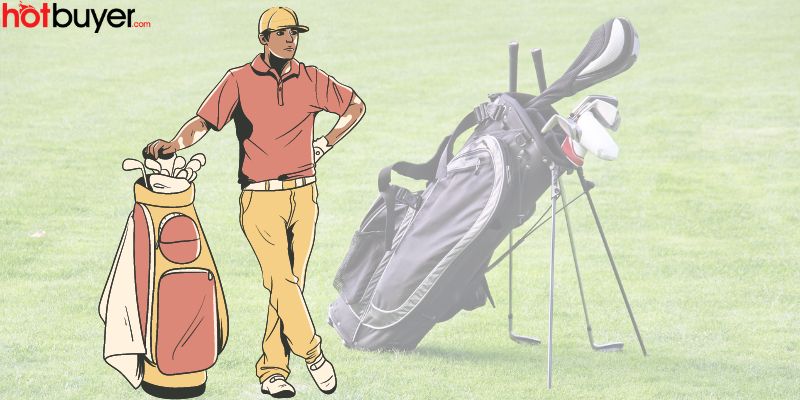
by Mark Preston | Apr 16, 2024 | Golf Equipment & Products - Reviews, Articles & Guides
Every golfer, from weekend warriors to seasoned pros, understands that a well-organized golf bag is critical for a smooth and successful round.
Organizing your golf bag with a strategic approach not only saves you time and energy on the course but also helps maintain your gear in top condition.
Let’s explore how to streamline your setup like a pro even if you have mixed clubs in the bag, ensuring you have everything you need at your fingertips.
Essential Items Every Golfer Needs
Before diving into the organization, it’s important to identify the golf bag essentials that should accompany you on the course.
These items not only prepare you for various play conditions but also ensure you’re equipped for the unexpected:
Clubs: A complete set of clubs, including drivers, irons, wedges, and a putter.
Golf Balls: Multiple golf balls, in case of loss or damage during play.
Golf Tees: A plentiful supply of tees appropriate for the types of courses you play.
Golf Gloves: At least one pair, if not an extra, to ensure a good grip regardless of weather conditions.
Golf Towel: Essential for keeping clubs clean, which is vital for optimal performance.
Golf Umbrella: Protects against both sun and rain, ensuring comfort and playability in all weather conditions.
Golf Hat: Shields your eyes and face from the sun, supporting better visibility and focus.
Marker Pens and Scorecard: For tracking your scores and marking your balls.
Rangefinder or GPS: For accurately measuring distances, which can help in improving your game strategy.
Water Bottle and Snacks: Staying hydrated and energized is key to maintaining focus and stamina throughout the round.
With these essentials packed, you’re well-prepared to face any challenges the course might throw your way.
Tips for Efficient Golf Bag Organization
An efficient golf setup begins with how you arrange your equipment in your bag.
Here’s how to organize your golf bag effectively:
Club Arrangement: Place your clubs in descending order in your bag from driver to putter.
Most bags feature divided sections; use these to separate woods from irons and wedges, keeping your putter in an easily accessible spot, often in a dedicated putter well.
Strategic Accessory Storage: Use the side pockets of your golf bag for items you need quick access to, like golf balls, tees, golf ball retrievers,s and gloves.
Reserve the larger pockets for your rain gear, extra clothing, and the golf umbrella.
Weight Distribution: Balance the weight in your golf bag by distributing heavier items like water bottles towards the center of the bag to make carrying or pulling the bag easier and to prevent strain or injury.
Regular Cleaning and Maintenance: Regularly empty out all pockets, removing trash or unnecessary items that may have accumulated.
Clean your golf equipment as needed to keep everything in prime condition.
Efficiently organized, your golf bag not only enhances your comfort and mobility on the course but also reflects a level of professionalism and respect for the game.
The Best Golf Bags for Every Type of Player
Choosing the right golf bag is just as important as knowing how to organize it.
Here are some of the best golf bags that cater to different types of players, from casual amateurs to serious enthusiasts:
Stand Bags: Ideal for players who prefer walking the course, stand bags are lightweight and come with built-in stands for easy access and stability.
Cart Bags: For players who typically use a golf cart, cart bags offer lots of storage and heavier construction, which isn’t a drawback since the bag is mostly transported by cart.
Tour Bags: These are the largest type of golf bag, offering ample space and pockets for all conceivable accessories. Best suited for very serious golfers or professionals who might not carry their own bags during a round.
Carry Bags: The simplest, lightest option for golfers who enjoy a minimalist approach or who play on executive or par-3 courses.
Whether you’re looking for a budget-friendly option or a premium model, there’s a golf bag that fits your needs, style, and level of play. Investing in a good golf bag and learning to organize it efficiently can markedly improve your experience and performance on the course, proving that sometimes, success in golf starts even before you swing.
What essential items should every golfer carry in their bag?
Every golfer men and women golfers should pack the following essentials: a complete set of clubs (drivers, irons, wedges, putter), multiple golf balls, plenty of tees, at least one pair of golf gloves, a golf towel, a golf umbrella, a hat, marker pens and a scorecard, a rangefinder or GPS device, and a water bottle with snacks.
How should I arrange my clubs in the golf bag?
Arrange your clubs in descending order from driver to putter.
Use the divided sections of your bag to separate woods from irons and wedges, and keep your putter in an easily accessible spot, often in a dedicated putter well.
What is the best way to store accessories in my golf bag?
Use the side pockets of your golf bag for items you need quick access to, such as golf balls, tees, and gloves.
Store larger items like rain gear and extra clothing in the larger pockets, and keep frequently used items in the most accessible locations.
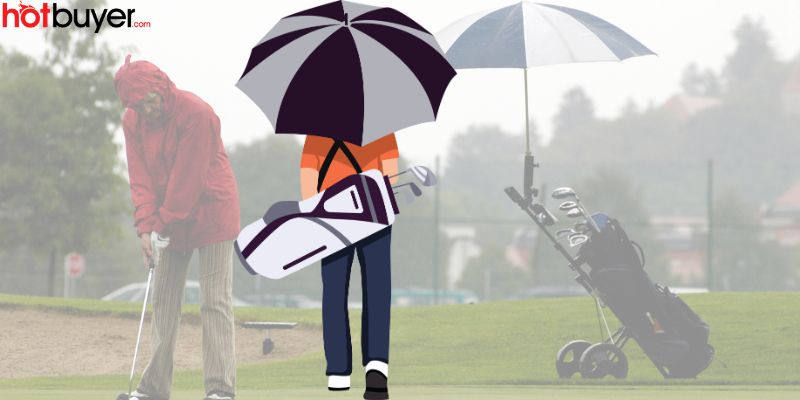
by Mark Preston | Apr 16, 2024 | Golf Equipment & Products - Reviews, Articles & Guides
On the lush, sprawling greens of a golf course, where the elements can change as quickly as the leaderboard, a good golf umbrella becomes more than a shield against rain; it’s a bastion of comfort against sun and wind, enhancing your experience and performance.
Whether it’s the beaming sun overhead or an unexpected drizzle, a reliable golf umbrella can make all the difference, allowing you to focus solely on your next shot.
Choosing a Golf Umbrella for Sun and Rain Protection
The dual purpose of a golf umbrella is what makes it such a valuable accessory for any golfer. Not just any umbrella will do—you need one that can handle the specific demands of golfing environments. Here are some tips on selecting an umbrella that provides both sun and rain protection:
Size Matters: A larger canopy will cover you, your golf bag, and your equipment adequately.
Look for golf umbrellas that are at least 50 inches in diameter, providing ample protection without becoming cumbersome.
UV Protection: For sun protection, the material of the umbrella should have a high UV protection factor.
Many golf umbrellas come with a UV protective coating that blocks harmful rays and keeps you cool on sunny days.
Waterproof Fabric: When it rains, it pours, and you’ll want an umbrella that not only shields you from getting wet but also dries quickly.
Waterproof or water-resistant fabrics are ideal, as they prevent the canopy from soaking through and becoming heavy.
Robust Frame Construction: The wind can be a significant challenge on open courses.
Look for an umbrella with a robust, wind-resistant frame and flexible ribs that can withstand gusts without flipping inside out.
Choosing the right golf umbrella means considering how it will perform under various weather conditions, ensuring that you remain protected and comfortable throughout your game.
Features That Matter in Golf Umbrellas
While the primary function of a golf umbrella is to protect against weather, several features enhance its usability and effectiveness:
Ergonomic Handle: An ergonomic handle makes it easy to hold the umbrella for extended periods, especially important during long waits between shots or delays due to weather.
Easy Open Mechanism: A quick and easy open mechanism is crucial for sudden changes in weather.
Look for an umbrella that opens smoothly and reliably with a simple push of a button.
Vented Canopy: A canopy with vents allows wind to pass through, which significantly reduces the risk of it being blown inside out during gusty conditions.
This feature is crucial for maintaining stability and durability.
Durability: The materials used in both the canopy and the frame dictate the longevity of the umbrella.
Fiberglass ribs, for instance, offer excellent strength and flexibility, making them superior to metal or plastic.
These features not only ensure the umbrella performs well in all conditions but also contribute to its overall usability and durability on the golf course.
Top Picks for Durable and Stylish Golf Umbrellas
When it comes to choosing a golf umbrella that meets both functional needs and aesthetic preferences, several models stand out as top picks, offering a blend of durability and style that appeals to every golfer:
The Weatherman Golf Umbrella: Known for its durability and innovative design, this umbrella features industrial-strength fiberglass which prevents breaking and inverting.
Titleist Tour Double Canopy Umbrella: With a 68-inch canopy and UV-resistant material, this umbrella is perfect for golfers looking for maximum protection and a classic design.
Callaway Tour Authentic 68 Umbrella: This option provides a large coverage area, UV coating, and a robust frame, ideal for serious golfers facing diverse weather conditions.
These umbrellas are not only built to last but also come in various designs that can match your personal style or complement your golf bag.
Whether as a thoughtful budget-friendly gift for a fellow golfer or a personal purchase, a high-quality golf umbrella is an indispensable tool that enhances the golfing experience, keeping you prepared and comfortable in all weather conditions.
With the right umbrella in hand, you’re ready to face the elements with confidence, ensuring that nothing distracts you from your game.
What should I look for when choosing a golf umbrella for both sun and rain protection?
When selecting a golf umbrella, consider several key features to ensure it provides effective protection in various weather conditions:
Size: Choose an umbrella with a large canopy, ideally at least 50 inches in diameter, to cover both you and your golf equipment adequately.
UV Protection: Opt for umbrellas with a high UV protection factor or a UV protective coating to shield you from harmful sun rays and keep you cool.
Waterproof Fabric: Ensure the fabric is waterproof or water-resistant to prevent soaking and heaviness during rain.
Wind Resistance: A robust frame with flexible ribs is crucial for withstanding gusty winds without flipping inside out.
What are the important features to consider in a golf umbrella?
Beyond basic sun and rain protection, several additional features can enhance the functionality and convenience of a golf umbrella:
Ergonomic Handle: A comfortable handle is essential for holding the umbrella during long rounds or weather delays.
Easy Open Mechanism: A smooth, reliable open mechanism is important for quick deployment when weather conditions change abruptly.
Vented Canopy: Vents in the canopy allow wind to pass through, reducing the risk of the umbrella flipping inside out and increasing stability.
Durability: Look for umbrellas with durable materials, such as fiberglass ribs, which offer better flexibility and resistance to breaking.
Which golf umbrellas are recommended for durability and style?
Several golf umbrellas are favored for their robust construction and stylish designs:
The Weatherman Golf Umbrella: Known for its industrial-strength fiberglass construction, this umbrella is highly durable and designed to withstand severe weather.
Titleist Tour Double Canopy Umbrella: This umbrella features a 68-inch canopy with UV-resistant material, ideal for golfers seeking extensive coverage and a timeless look.
Callaway Tour Authentic 68 Umbrella: Offering a large coverage area and equipped with UV coating and a sturdy frame, this umbrella is suitable for serious golfers who play in diverse conditions.